
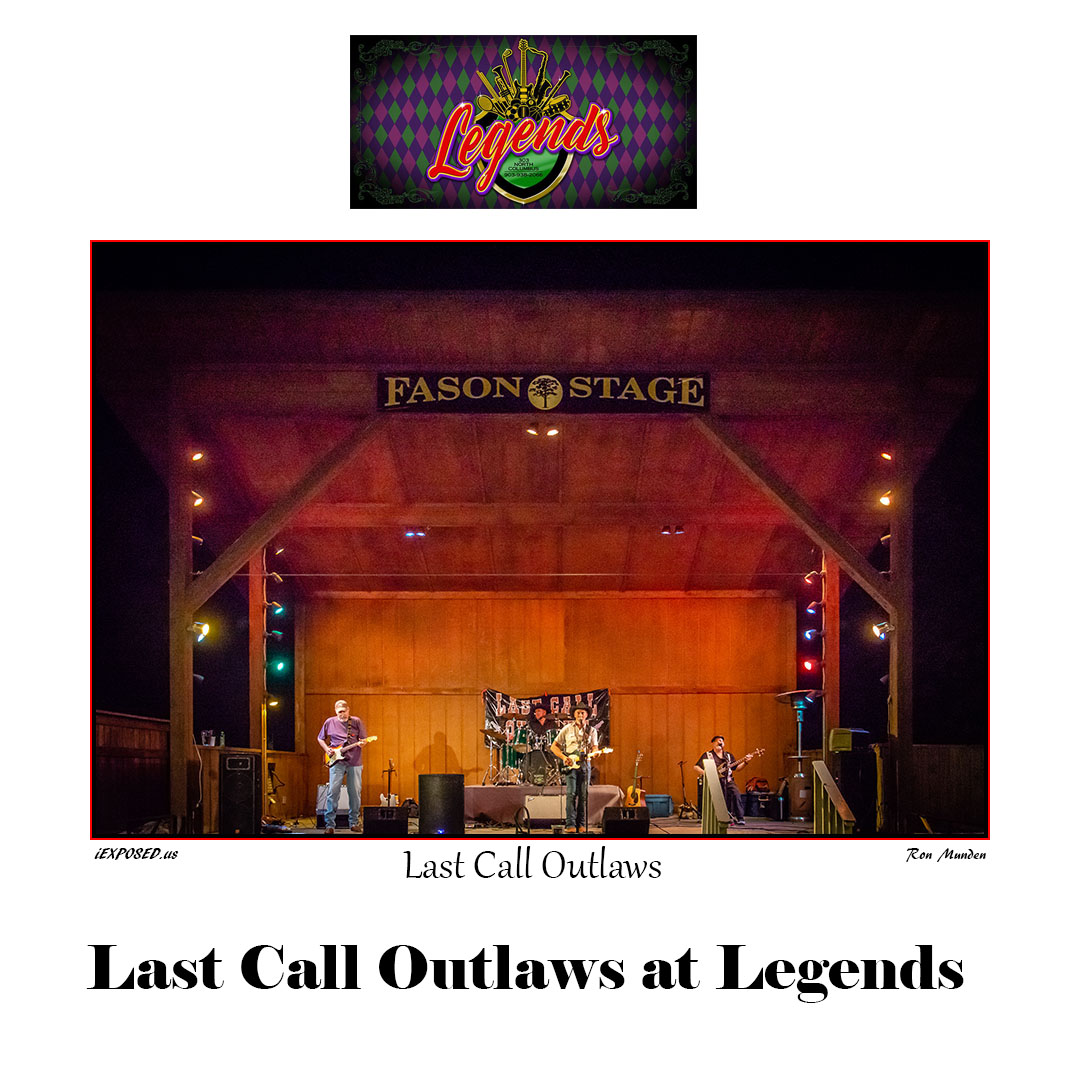
Click here to view the 57 image slideshow/gallery.
GIVE US YOUR FEEDBACK. CLICK ON “COMMENT” TO TELL US WHAT YOU THINK or use one of the alternative methods for providing feedback.

Click here to view the 57 image slideshow/gallery.
GIVE US YOUR FEEDBACK. CLICK ON “COMMENT” TO TELL US WHAT YOU THINK or use one of the alternative methods for providing feedback.
PROs:
There aren’t any.
CONs:
Crapaduck! Where to start?
As a former history major and a reader of all genres of historical literature, I thought I knew a thing or three about the hows, whys and soforths of the Electoral College. For example, I “knew” the Electoral College was originally set up to be quasi-independent to make sure the “unwashed masses’ didn’t vote for a simpleton or a would-be king.
According to a History Channel blurb, a little more than a decade after the end of the Revolutionary War, the Continental Congress considered several ways to elect a president. These included selection by Congress, by the governors of the states, by the state legislatures, by a special group of Members of Congress chosen by lot, and by direct popular vote..
When a consensus could not be reached, a committee devised the electoral college system in its original form. It sought to reconcile differing state and federal interests, provide a degree of popular participation in the election, give the less populous states some additional leverage in the process by providing “senatorial” electors, preserve the presidency as independent of Congress, and generally insulate the election process from political manipulation.
Oh, yes, the original intent was good. After more than 230 years, “original intent” means less than a politician’s promise 10 days before election.
The electors are expected to vote the wishes of the voters, but are not required to do so. The rub is from a section of the law creating the body allowing the states to choose the way the college members are supposed to vote; some require all college votes to go to the statewide winner, while other state’s votes are allotted as percentage of the votes received by individual candidates.
See where the basic problem lies?
In states where all electoral votes go to the overall vote-getter, regardless of how close the race is, the votes of those who voted for the ‘loser” simply do not count. That was never the intent of our forefathers, who, almost to a man, asserted that every vote was important.
Furthermore, notwithstanding the founders’ intent and efforts, the electoral college system almost never functioned as they intended, but, as with so many constitutional provisions, the document prescribed only the system’s basic elements, leaving ample room for development…or as has been the case, manipulation.
As the republic evolved, so did the electoral college system, and, by the late 19th Century, an incredible range of constitutional, federal and state legal, and political elements of the contemporary system were in place.
You know how it works…the system doesn’t work to suit one party or the other and changes, shifts and reasons are employed to make it “right’ and “right” is subjective.
While there have been electors who took the Constitution’s directive of being independent to heart and refused to follow the lead of their voting constituents as gospel (one each in 1948, 1956, 1960,1968, 1976, 1988 and 2000), no such action as ever affected a presidential election outcome.
Of the 50 states, 48 are winner-take-all states (with several states moving away from that uneven allotment of votes); in that situation, up to 49.99 percent of a state’s votes are basically disfranchised.
Bottom line: Every vote should count without exception. We all know the majority of the East and West Coast states are liberal and the country tends to be more conservative in central and southern parts of the county.
To make sure each vote counts every time, every election, the only way to ensure that happens is by mandating that members of the college shal vote as a percentage of the popular vote for each candidate or by overall national popular vote totals.
So, let’s start talking to our elected officials and get ‘er done!
GIVE US YOUR FEEDBACK. CLICK ON “COMMENT” TO TELL US WHAT YOU THINK or use one of the alternative methods for providing feedback.
By Ron Munden
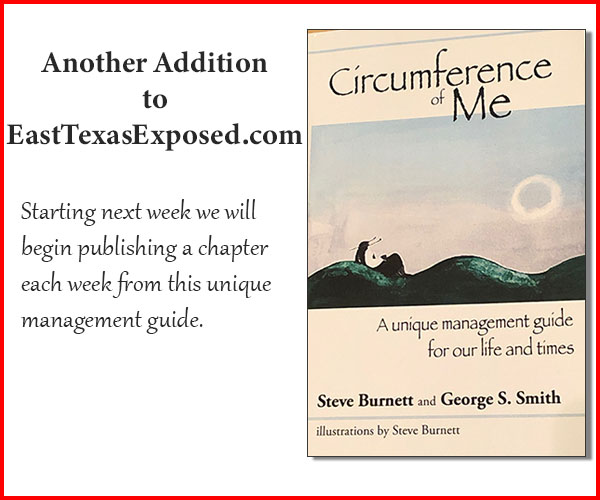
We want your visit to EastTexasExposed.com to be a unique experience. Starting next week, we will broaden that experience. Each week will publish a chapter from the book The Circumference of Me.
This is a management book written by George Smith with illustrations by a unique artist from New York. The book has been picked up and is being used at several colleges and universities as auxiliary reading.
George S. Smith is a writer, columnist, former editor and publisher of the Marshall News Messenger and other papers, national motivational speaker, college instructor and now is executive director of the non-profit Southwest Arkansas Arts Council in his hometown of Hope, Arkansas.
Steve Burnett, founder and former president of the Burnett Group, a global management, brand and communications company in New York City and a former instructor of communications designate the Pratt Institute. He is now “retired” and is an organic farmer in upstate New York.
We think you will enjoy reading each chapter.
Here is what other are saying about “Circumference of Me”:
“There are two words that describe this book: Fresh and
creative.”— Kevin Dial, Director of Operations, CBIZ Medical Management
Professionals
“Welcome to the world of George Smith and Steve Burnett —
where whimsy consistently opens the door to profound and practical insights.
Just read it. Put its lessons into practice. You will be glad you did.”
— John Wallace, Retired Director, Verizon Communications
So each Wednesday morning rush to your computer, go directly to EastTexasExposed.com and read the latest installment from The Circumference of Me.
GIVE US YOUR FEEDBACK. CLICK ON “COMMENT” TO TELL US WHAT YOU THINK or use one of the alternative methods for providing feedback.
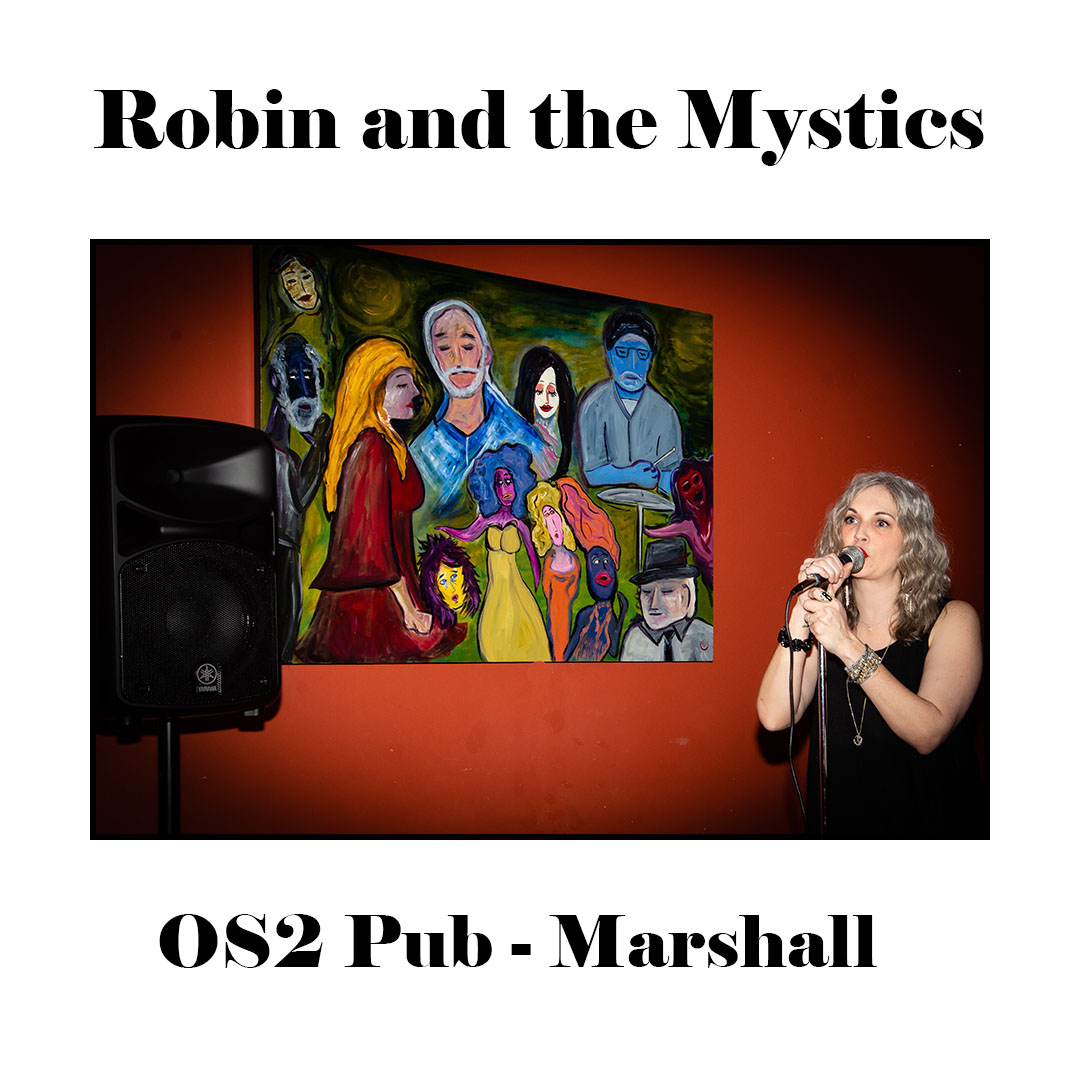
Click here to view the 39 image slideshow/gallery.
GIVE US YOUR FEEDBACK. CLICK ON “COMMENT” TO TELL US WHAT YOU THINK or use one of the alternative methods for providing feedback.
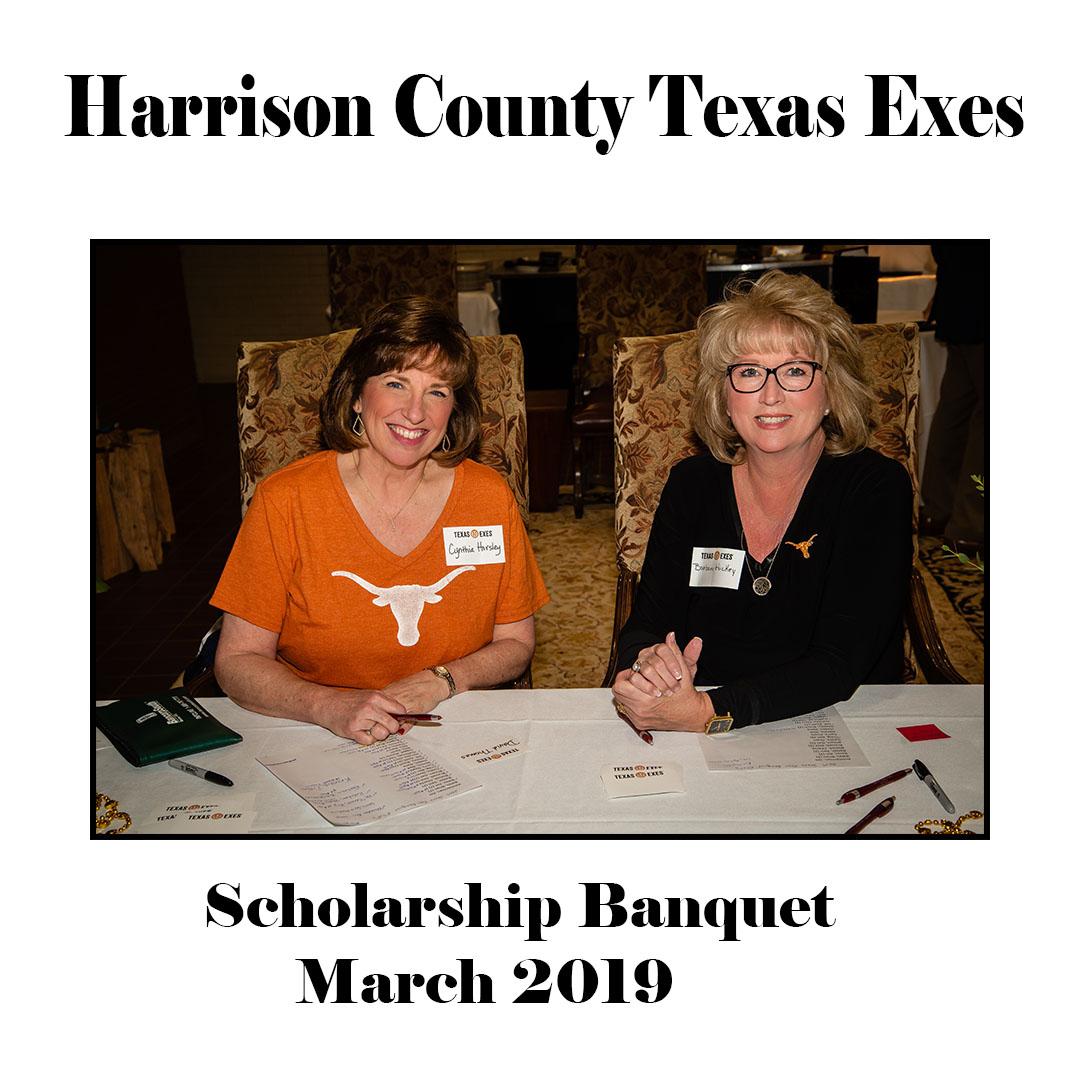
Click here to view the 73 image slideshow/gallery.
GIVE US YOUR FEEDBACK. CLICK ON “COMMENT” TO TELL US WHAT YOU THINK or use one of the alternative methods for providing feedback.
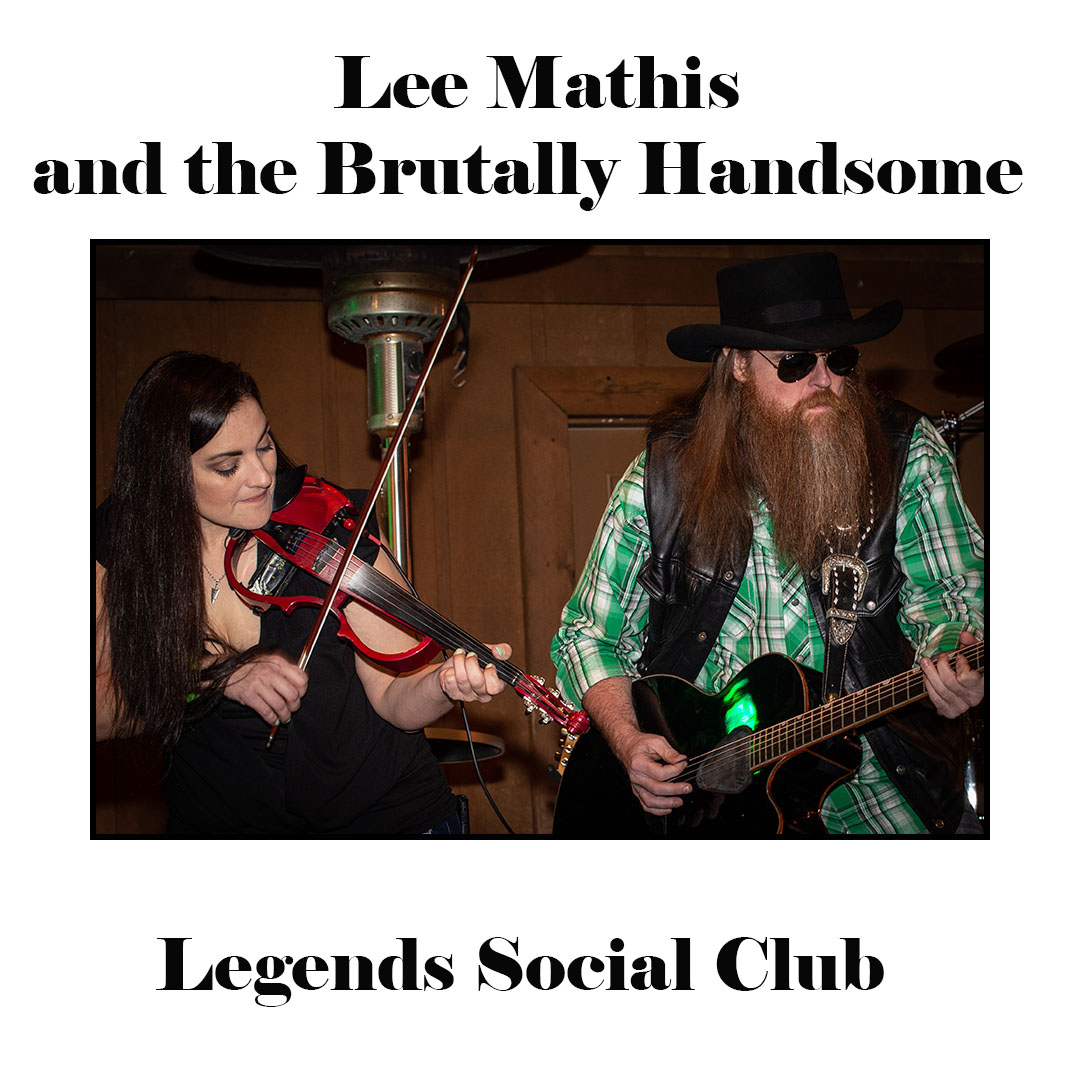
Click here to view the 84 image slideshow/gallery.
GIVE US YOUR FEEDBACK. CLICK ON “COMMENT” TO TELL US WHAT YOU THINK or use one of the alternative methods for providing feedback.

By George Smith
We are living in a time of undemocratic ideas, rancorous clambering for the sake of unsocial discourse and a time when one of the most important four-letter words in any language is missing: “Love.”
I know what “like” is and I know what “love” is. I also know what those terms are not.
I do not like a lot of items encountered in life: Brussels sprouts, jumping dogs, cooked liver, cats scratching up leather couches, overripe bananas, snakes, people with their noses in the air when they are not trying to smell something, bad newspapers, fake items posted on social media, fake people posting anything on social media, televangelists who live in $10 million houses and preach “prosperity” gospel messages and ask for money for prayer requests.
And, candy with peanut butter in it, items I want to buy but can’t afford, students who skipped class because “my grandmother died,” but who forgot the same grandmother died last semester, any ‘fresh’ fruit which has been frozen, lukewarm beverages, blue-striped skinks, feral hogs, other people’s kids that don’t have manners … and the list could go on forever.
And I love a lot of things. That list is endless. And I know what love is and I know what it is not.
Love is an incredible brouhaha of unfettered emotions that create an inseparable bond between people. Love is not thumbing your nose at friends or relatives because of something as trivial as a disagreement about politics.
Love is taking the lessons of the Bible and welcoming strangers into your land and doing what’s right simply because it is “right.” Love is not degrading potential citizens who are seeking a better life (just like all our ancestors) by calling them names, separating children from parents or guardians and putting them in detention cages.
Love is making sure this generation takes care of the older generation and knowing that the next generation will take care of this one. Love is not looking for ways to break promises made to ANY generation simply because the incompetence of a nation’s leaders in dealing with budgetary items and refusing to make fiscal decisions based on taking care of those that cannot take care of themselves.
And, love is telling the truth even when it hurts to do so. Love is not lying, cheating and conniving because you believe the end justifies the means.
This is an era where love, true love for our fellow world citizens is in short supply.
Love: The greatest of all four letter words. And, today, it is used less and acts that display it are few and far between.
Do your part today: Find something, someone to love.
GIVE US YOUR FEEDBACK. CLICK ON “COMMENT” TO TELL US WHAT YOU THINK or use one of the alternative methods for providing feedback.

By Julia Robb
“Lean as a famine wolf but wide and thick in the shoulder, the man called Shalako was a brooding man…”
Yep, this character from the Louis L’Amour novel, by the same name, is a cliché.
And most protagonists in 20th century “Westerns” are Shalako twins, with a few tweaks.
After I tell you more about this, I’m also going to tell you the difference between “Westerns” and novels set in the West.
But, if you want to read a “Western,” look for a plot with a familiar ring to it.
Motives differ, but most “Western” protagonists (and they are always men), seek revenge, or are out to right wrongs, or they’re trying to help a girl, or a town, and all of them are good with a gun.
From Kansas to California, they fight rustlers, Indians, outlaws, and sometimes they are the outlaws (although misunderstood and not that bad).
L’Amour, Zane Grey, Max Brand, Luke Short, Ralph Cotton, William Johnston, Frank O’Rourke, and dozens more, have produced these melodramas.
Traumatic pasts are common for “Western” heroes, but their characters are never explored in depth.
Readers want to see their heroes in action, and so that’s what they get.
Here’s the good part.
Not all novels set in the American West are “Westerns.”
Many novels set in the West are really good books, stuffed with deep characters and themes, lyrical description and off-beat plots.
Here are a few I’ve really enjoyed.
Owen Wister’s Lin McLean, published 1897, is about a young man learning about life in Wyoming Territory (the hard way).
(This wistful novel does not contain one gunfight).
Everybody knows about Larry McMurtry’s Lonesome Dove, that it’s about a cattle drive from Texas to Montana.
They don’t necessarily know Dove is a character-driven novel and the characters are delightful.
Show me a better protagonist than Gus McCrae, that life-loving and bigger than life hero, and his friend and glum business partner Woodrow Call.
These men are mythic, meaning both are Western myth and bigger than the myth.
America agreed, making Lonesome Dove a longtime bestseller, and in 1986 it earned the Pulitzer prize for fiction.
The Wonderful Country, by Tom Lea, is one of my favorite novels.
It’s about a man trying to find home.
Martin Brady was originally from Missouri, but after the Civil War, he and his father (a Confederate veteran) left for Texas.
After his father is murdered, the boy Martin kills the man who murdered his father and flees to Mexico.
The book opens twenty years later as Martin returns to the American side of the river to buy guns for his Mexican patron (employer, or boss).
Lea was a talented artist who also drew the illustrations for The Wonderful Country.
Alan LeMay wrote two novels that could be considered, on first glance, to be “Westerns.”
But they’re not.
The Searchers is about racism, and how difficult it was to live in the rough West and then fit into “civilized” society.
Searchers begins with an Indian raid on a lonely Texas homestead.
Everyone is killed except one little girl, Debbie, who is taken captive (this actually happened many times in the West, particularly in Texas).
Thereafter, Debbie’s uncle, and a foster brother, scour the West for her.
When she’s found, her uncle doesn’t necessarily want her back.
Debbie is married to an Indian man.
In The Unforgiven, LeMay again uses Indians as a major part of the plot.
This time, a White family adopts an Indian child, only to find her tribe wasn’t ready to give her up.
The family and the Kiowas fight it out.
Who are the true relatives; the Indians who will kill the girl’s adopted family to get her back (which is a matter of principle), or the family who has raised her and cherishes her?
I love Adobe Walls, by W.R. Burnett.
Walls can be mistaken for a “Western,” but it’s an historical novel–meaning the plot is not dangling out there alone, like a Deadwood episode.
Culture and society are set in historical context.
We find out why Arizonians hate the Apache Indians, and the consequences to both Indians and Whites.
Also, it’s about how societies often reject their own warriors.
All of these books are dated, but you can get any of them from Amazon.
Finally, I want to discuss my own writing.
I’ve written five (if you don’t count the one I burned).
The Stamp of Heaven, published February 19, is about Lieutenant Beau Kerry, once a Confederate general and now hiding out in the Union Cavalry.
Kerry (and that’s not his true name) is wanted for an alleged war crime and a civil crime, and he ran when the feds came looking for him with blood in their eye.
My tagline: “The Divide Between North and South Runs Through One Soldier’s Heart.”
Scalp Mountain is about the Indian Wars in Texas. My tag line reads, “Everyone was right, everyone was wrong and everyone got hurt.”
It’s also about Mason Lohman, who (secretly) loves another man, Colum McNeal.
Lohman attempts to solve his problem (men did not confess to these kind of desires in 19th century Texas) in the only way he knows how: By killing Colum.
Del Norte is also set in frontier Texas, but it’s about a man and woman who are in the saloon business together.
Thomas loves Magdalena, Magdalena is scared to love Thomas, and then figures from the past come back to haunt both of them.
Saint of the Burning Heart is set in 20th century Texas, amid racial turmoil.
Why won’t Nicki give up on Frank (her adopted brother)? Why can’t she make him love her again?
In writing these books, I’ve tried to write novels and not “Westerns.”
I’ve written about what I care about; Texas and its people, the country, our complicated and difficult past (I’m a Texan) and what motivates human beings.
Read me, or read any of the other novels I’ve mentioned.
And remember, there’s plenty of other good books out there, many of them set in the West.
Or find me on facebook, both Julia Robb and Author: Julia Robb.
GIVE US YOUR FEEDBACK. CLICK ON “COMMENT” TO TELL US WHAT YOU THINK or use one of the alternative methods for providing feedback.
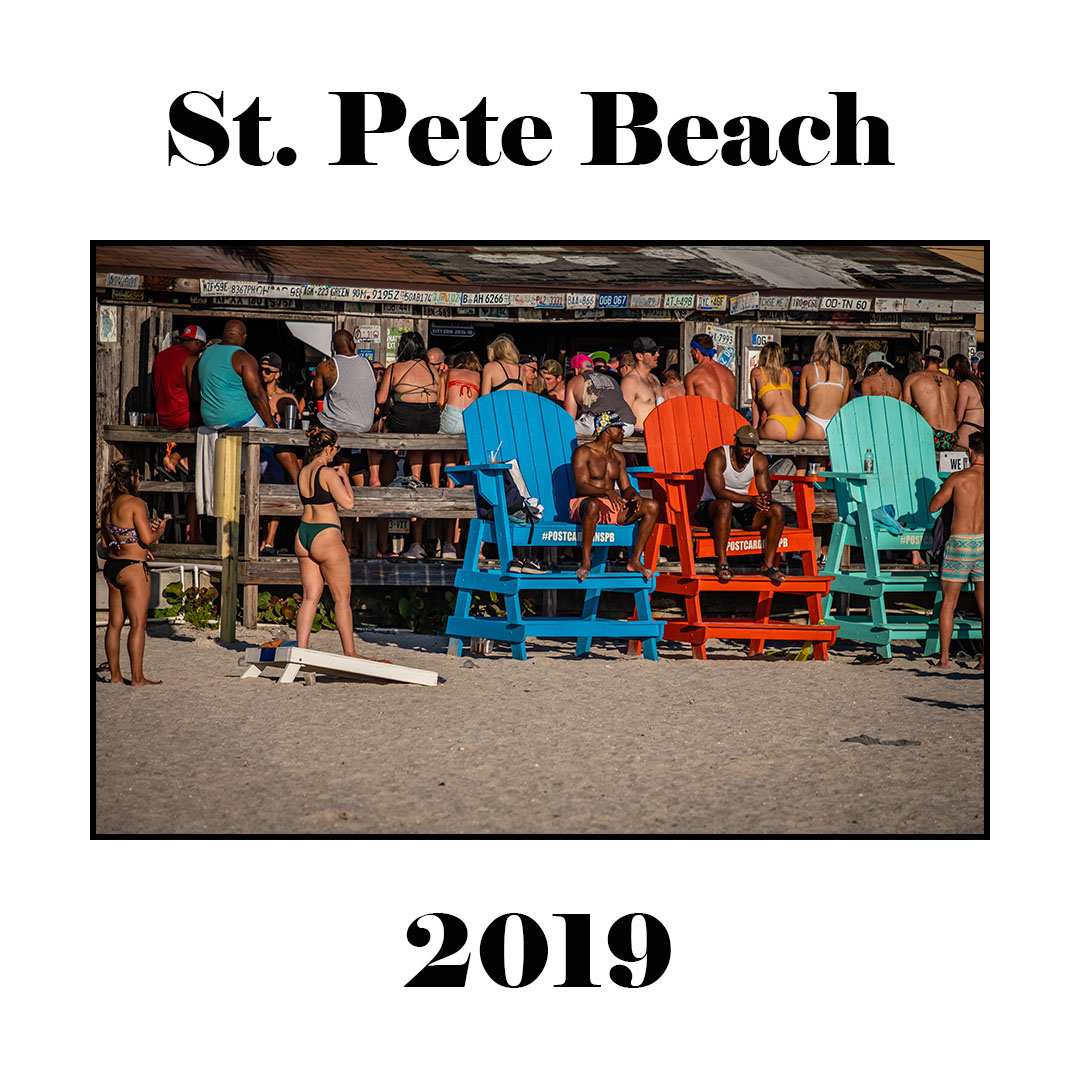
Take a look at the 24 photos.
Click here to go to the slideshow/gallery.
GIVE US YOUR FEEDBACK. CLICK ON “COMMENT” TO TELL US WHAT YOU THINK or use one of the alternative methods for providing feedback.
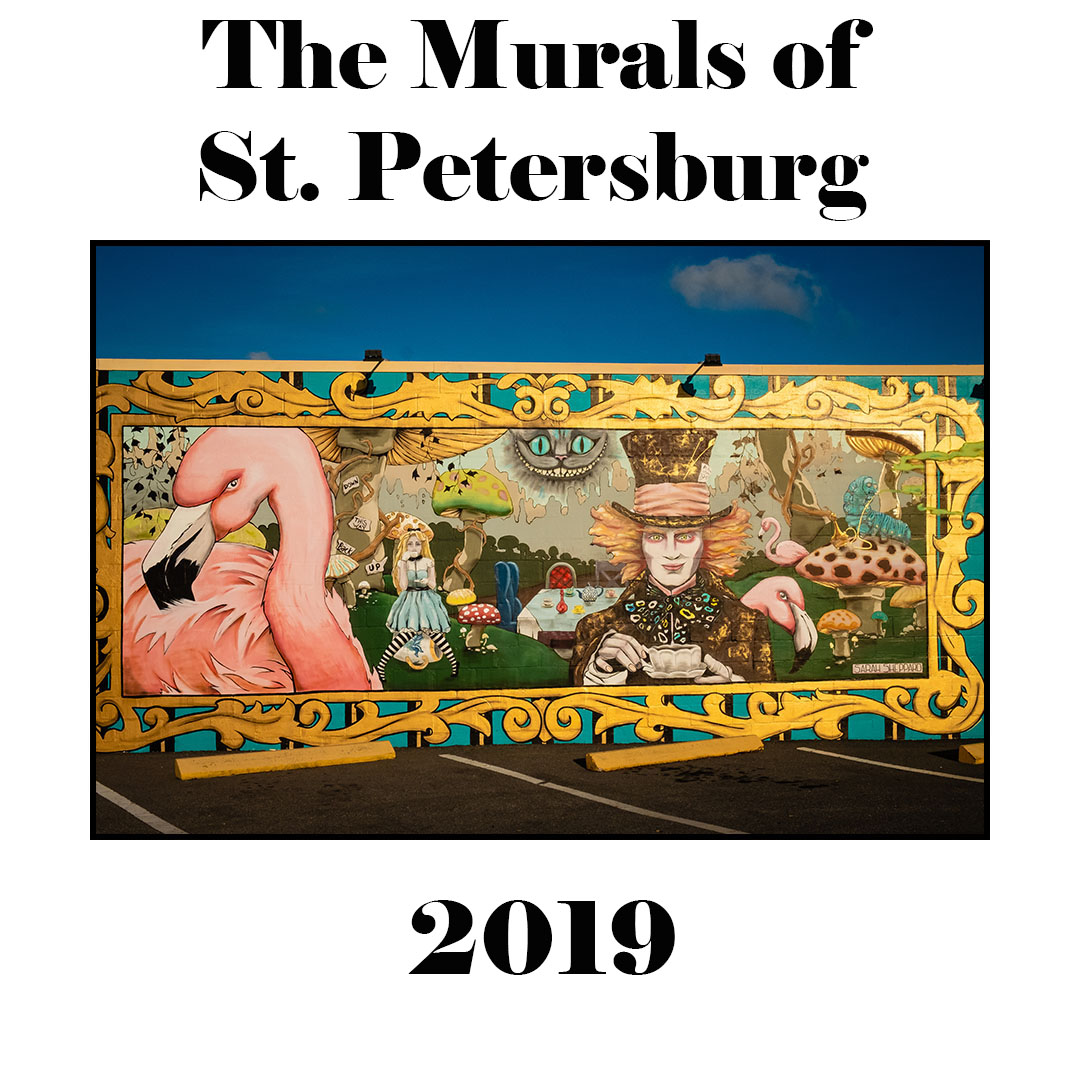
Take a look at the 44 photos.
View the gallery/slideshow by clicking here
GIVE US YOUR FEEDBACK. CLICK ON “COMMENT” TO TELL US WHAT YOU THINK or use one of the alternative methods for providing feedback.
 iEXPOSED.us Blog
